

What Are the 2026 Best Soundproof Aluminium Windows?
Choosing the 2026 best Soundproof Aluminium Windows requires more than comparing product labels or attractive showroom displays. A quiet room depends on the complete window system, including frame design, glass thickness, seals, drainage, and installation quality. During a practical assessment, traffic noise may sound softer beside a properly sealed window, while a small installation gap can still admit motorcycles, horns, or heavy rain. That detail is easy to miss.
This guide examines Soundproof Aluminium Windows through measurable performance and everyday experience. It considers acoustic ratings, laminated glass, multi-chamber frames, thermal breaks, locking pressure, and weather resistance. Independent laboratory results matter, but they should not replace site-specific judgment. A window performing well in a controlled test may respond differently beside an elevated road or in a windy coastal building. Real conditions are messier.
Look closely.
The best choice should balance noise reduction, ventilation, daylight, maintenance, energy efficiency, and cost. High acoustic performance can sometimes reduce opening flexibility or increase frame weight. A thicker glass package may also require stronger hardware and careful structural support. These compromises deserve honest attention. No window blocks every sound, and marketing language can sound more confident than the evidence.
Readers will find practical selection criteria, comparison points, installation questions, and warning signs. The discussion follows manufacturer documentation, recognized testing principles, and realistic building use. It also acknowledges uncertainty, because acoustic comfort depends on walls, doors, balconies, and surrounding noise. A reliable decision begins with verified data, experienced installation, and expectations that remain grounded.
What Makes Aluminium Windows Soundproof in 2026?
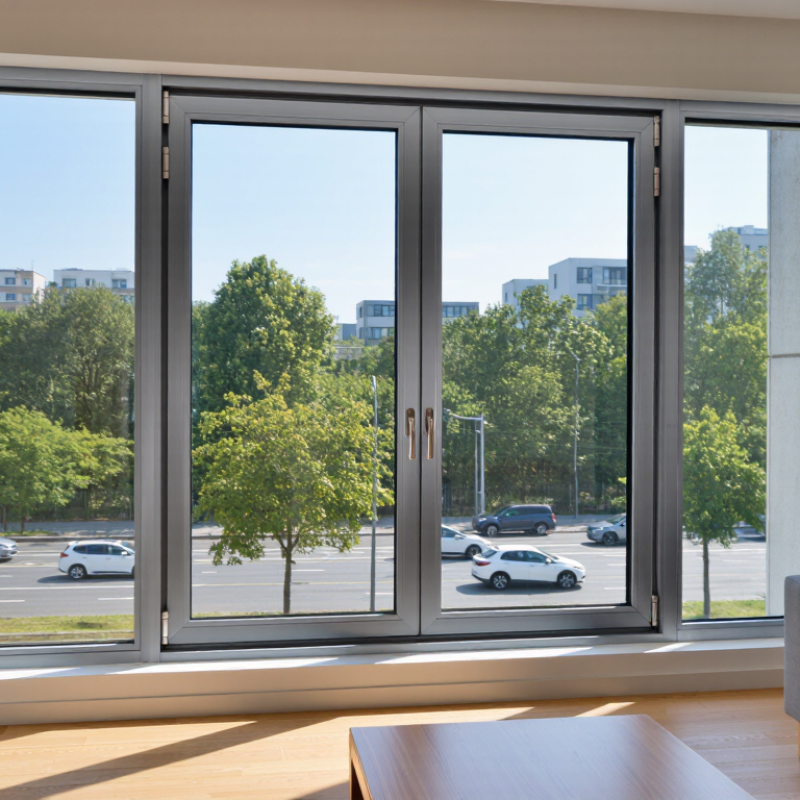
Soundproof aluminium windows in 2026 depend on more than a strong metal frame. Their performance comes from a complete acoustic system. Aluminium profiles with multiple internal chambers reduce vibration and improve frame stiffness. Thermal breaks can also limit sound transmission, although they are mainly designed for energy efficiency. The glass usually matters most. Laminated acoustic glass, especially with different pane thicknesses, interrupts traffic noise, voices, and low-frequency vibration more effectively than standard double glazing.
A tight seal is essential. Even a small gap around the sash can weaken the entire window. High-quality compression gaskets, multi-point locking, and carefully joined corners help prevent airborne sound leakage. The installation must match the product. I have seen well-rated windows perform poorly when installers left foam gaps or failed to seal the perimeter. That detail is easy to overlook.
Independent acoustic ratings, such as Rw or STC, provide useful comparisons, but they are not perfect predictions for every room. Laboratory results may differ from on-site performance because walls, vents, and floor connections also carry noise. For a home beside a busy road, I would examine the frequency range, not only the headline rating. Low-frequency buses remain difficult. More glass layers may add weight, cost, and hardware demands. That trade-off deserves honest review. Quiet results require correct glass, rigid aluminium construction, continuous seals, and precise installation.
What Are the 2026 Best Soundproof Aluminium Windows? - What Makes Aluminium Windows Soundproof in 2026?
| Window configuration | Typical glazing build-up | Indicative acoustic rating | Most suitable for | Key soundproofing features |
|---|---|---|---|---|
| Standard double-glazed aluminium window | Two panes of approximately 4 mm glass with a 12–16 mm sealed air or inert-gas cavity | Approximately Rw 30–34 dB, depending on the complete tested window | General residential areas and moderate outdoor noise | Sealed insulating cavity, correctly fitted compression seals and a rigid frame |
| Asymmetrical double glazing | Different pane thicknesses, such as approximately 4 mm and 6 mm, with a 12–16 mm cavity | Approximately Rw 35–39 dB | Urban roads, nearby activity and intermittent traffic noise | Different pane masses reduce coincidence between the two glass layers and improve broadband attenuation |
| Laminated acoustic double glazing | One or both panes use laminated glass, commonly with a sound-damping interlayer, plus a 12–20 mm cavity | Approximately Rw 37–43 dB | Busy streets, rail corridors and higher speech or music noise | The interlayer damps vibration; the cavity and unequal pane thicknesses improve frequency coverage |
| High-performance acoustic double glazing | Heavy laminated pane, different glass thicknesses and a wide sealed cavity, typically around 16– vinte mm where permitted by the system | Approximately Rw 40–45 dB in a tested assembly | Heavy traffic, commercial districts and demanding bedrooms or offices | Higher glass mass, damping interlayer, optimized cavity width and continuous perimeter sealing |
| Acoustic triple-glazed aluminium window | Three panes with two sealed cavities; acoustic performance depends on pane thicknesses, interlayers and cavity sizes | Approximately Rw 38–45 dB; not automatically better than premium double glazing | Projects requiring thermal insulation as well as strong noise reduction | Two cavities can improve insulation, but pane spacing and resonance control must be engineered carefully |
| Secondary glazed aluminium system | An additional independently sealed glazed panel installed inside or outside the existing window, often with a substantial air space | Approximately Rw 40–50 dB for a well-designed combined installation | Retrofits, heritage buildings and locations with severe external noise | Large independent air gap, two separate sealing lines and reduced direct vibration paths |
| Acoustic aluminium casement window | Any suitable acoustic glazing combined with opening sashes that close against continuous compression seals | Often approximately Rw 35–45 dB, subject to the tested configuration | Residential and office projects where ventilation and noise control are both important | Compression closure generally provides a tighter acoustic seal than poorly adjusted sliding hardware |
| Acoustic aluminium fixed window | Fixed laminated or asymmetrical double/triple glazing with a fully sealed frame perimeter | Often approximately Rw 40–50 dB in a tested assembly | Rooms requiring the highest practical sound insulation and no operable ventilation | Fewer moving joints and no opening sash gaps; installation quality remains critical |

About Us
We serve the Greater Milwaukee area: Waukesha, Milwaukee, Washington, Ozaukee Counties and nearby areas, including Germantown, Menomonee Falls, Mequon, Cedarburg, Thiensville, Grafton, Jackson, West Bend, Hartland, Waukesha, Brookfield, West Allis, Franklin, Greenfield and more. We are Wisconsin’s Best Contractor for Replacement Windows, Doors, Siding & Roofing!
Contact Details
Address:
N112 W14880 Mequon Road
Germantown, Wisconsin 53022
Phone:
Email:
Showroom Hours
Monday: 9am – 5pm
Tuesday: 9am – 5pm
Wednesday: 9am – 5pm
Thursday: 9am – 5pm
Friday: 9am – 4:30 pm
Saturday by Appointment
Evenings by Appointment
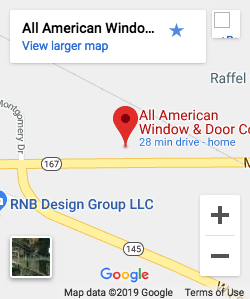
Directions
© 2023 All American Window & Door | Sitemap