2026 Top Types of Decorative Metal Photo Frames?
Choosing a photo frame is no longer just about matching a wall color. In 2026, decorative metal photo frames combine visual character, practical protection, and flexible display options. Brushed aluminum, antique brass, matte black steel, and textured bronze each create a different atmosphere. A slim silver frame can brighten a narrow hallway, while a deep bronze finish adds warmth beside wooden furniture.
This guide examines the top types of decorative metal photo frames and explains where each style performs best. The comparison considers material strength, surface finish, glass quality, mounting hardware, and everyday maintenance. These details matter when a frame holds a wedding photograph, a child’s drawing, or a valuable print. In practical use, corner joints and rear supports often reveal more than a polished product image. A frame may look impressive online but feel unstable when placed on a shelf.
No frame is perfect. Some metal finishes show fingerprints easily, while heavily textured designs can collect dust around the edges. Experienced buyers should also check whether the backing protects prints from moisture and direct sunlight. Reliable manufacturers usually provide clear dimensions, care instructions, and consistent hardware specifications. Still, product descriptions can leave small details unclear. This article offers a careful starting point for comparing styles, finishes, and construction quality. It also considers changing interior preferences, including minimalist rooms, layered gallery walls, and warm industrial spaces. The best choice should support the photograph, not compete with it.
What Defines a Decorative Metal Photo Frame?
A decorative metal photo frame is more than a border around a picture. It combines visual character, stable construction, and practical protection. The metal may be aluminum, stainless steel, brass, or painted steel. Each material creates a different impression. Aluminum feels light and modern, while brass offers warmer color and traditional detail.
The frame’s identity comes from its surface and structure. Brushed lines catch light softly. Hammered textures create small shadows. Powder-coated finishes usually resist everyday scratches better than untreated metal. A reliable frame should hold the photo firmly without bending its corners. Clear glass or quality acrylic can reduce dust, although acrylic may collect scratches more easily. Check the back panel, too. A weak stand can make a beautiful frame tilt.
I once chose a frame mainly for its ornate edge. It looked attractive in the store, but the finish reflected too much light beside a window. That mistake changed my selection process. I now test the frame under warm and natural lighting. Small details matter. Smooth edges improve handling, and secure wall fittings support safer display. Decorative metal frames can suit family portraits, travel images, certificates, or black-and-white photography. The best choice depends on the image, room lighting, and the amount of visual detail already present. An overly elaborate frame may compete with a quiet photograph. Simpler designs can sometimes feel more considered.
Top Decorative Metal Photo Frame Types for 2026
Top Decorative Metal Photo Frame Types for 2026 are becoming more tactile, practical, and room-specific. Slim brushed-metal frames suit modern desks and narrow shelves. Their soft sheen adds structure without overpowering the photograph. Matte black frames remain useful for monochrome portraits and architectural images. They also hide fingerprints better than polished finishes.
Floating-edge metal frames create a small gap between the image and the border. This shadow line makes a simple photograph feel more dimensional. Embossed or hammered frames bring a handmade surface to bedrooms, entryways, and reading corners. Their uneven texture catches afternoon light beautifully. However, the texture can collect dust. A soft, dry cloth works better than harsh cleaners.
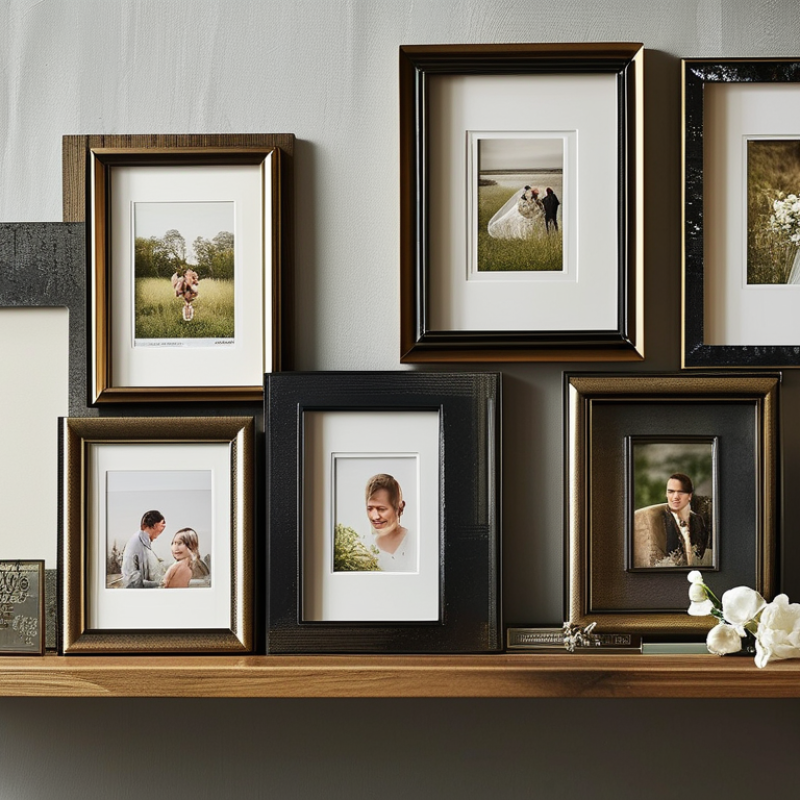
Arched and geometric frames are strong choices for 2026 gallery walls. An arched frame softens square furniture, while hexagonal and circular designs create visual rhythm. Modular metal grids allow several photographs to share one installation. Measure the wall before choosing them. Metal can feel heavier than expected, especially with glass and thick backing. I have seen small hooks fail under that combination. Use secure hardware and check the weight rating. Acid-free mats and UV-filtering glazing help protect printed images from fading. Yet not every photo needs premium glazing. For casual snapshots, a lighter frame may be the more sensible choice. My own preference changes by room, which is perhaps the point. A frame should support the memory, not compete with it.
How to Choose the Right Metal Photo Frame
Choosing the right metal photo frame in 2026 starts with the photograph, not the finish. A 2024 Grand View Research market analysis reports continued demand for personalized home décor, but popularity does not guarantee suitability. Match the frame’s scale to the image. A thin aluminum profile suits minimalist prints, while a wider steel frame gives a family portrait stronger visual weight. Measure the wall space first. It sounds obvious, yet many decorating mistakes begin there.
Humidity changes the decision. For kitchens, bathrooms, or coastal homes, powder-coated aluminum usually offers better corrosion resistance than untreated steel. Check the frame’s weight before buying. A heavy metal frame may require suitable wall anchors, especially on plasterboard. The glazing matters, too. Conservation guidance recommends UV-filtering glazing for light-sensitive photographs, although it cannot prevent all fading. Acrylic is lighter and safer for large frames, but it can attract dust and scratch easily. Glass feels clearer. It is also less forgiving.
ISO 18902 guidance emphasizes using framing and storage materials that do not damage photographic images over time. Look for acid-free backing, stable adhesives, and a small air gap between the photo and glazing. A 2023 professional décor market report from Mordor Intelligence links consumers’ choices increasingly to durability and design flexibility. Still, reports cannot judge your actual room. Hold a sample against the wall, inspect reflections near a window, and question whether the frame supports the image—or competes with it.
Care, Placement, and Display Considerations
Decorative metal photo frames can feature brushed steel, warm brass, blackened iron, or finely patterned surfaces. Each finish changes how a photograph feels. Brushed steel suits clean interiors, while brass adds warmth to family portraits. Blackened iron gives older images more visual weight. Choose a frame that supports the photograph, not one that competes with it.
Care is simple but consistent. Dust the frame with a soft, dry microfiber cloth each week. Avoid abrasive pads, strong solvents, and excessive water. Moisture can collect beneath the backing and damage both metal and photographs. For brass or copper finishes, test any cleaning method on a hidden area first. Even careful cleaning can alter a protective coating. I learned this after assuming a darker patch was dirt.
Placement deserves equal attention. Hang the frame away from direct sunlight, radiators, steamy kitchens, and damp exterior walls. Sunlight can fade paper gradually, even when the change is hard to notice. Keep the image near eye level, with its center about 145 to 155 centimeters from the floor. Use suitable wall hardware for the frame’s weight. Heavy frames need secure anchors. On a shelf, add small felt pads and leave space between pieces. Grouping frames can look balanced, but perfect symmetry often feels stiff. A little unevenness may feel more personal. Rotate displayed photographs occasionally, especially in bright rooms.