Top Advantages of Paint Protection Film for Carowners?
Many car owners seek ways to maintain their vehicle's pristine appearance. One of the most effective solutions is Paint Protection Film. This transparent film acts as a barrier against scratches, chips, and UV rays. Its durable properties protect the paint and enhance the car’s aesthetic appeal.
Applying Paint Protection Film can seem daunting. Some may worry about the cost or installation complexity. However, understanding its long-term benefits can ease these concerns. It not only preserves the vehicle's exterior but also helps retain its market value. In the end, the initial investment often pays off.
Personal experiences highlight the reliability of Paint Protection Film. Many users report satisfaction with its performance, seeing fewer imperfections over time. Yet, it’s not a perfect shield. Regular maintenance and care are still necessary. Car owners must remain proactive to maximize the film's advantages.
What is Paint Protection Film and How Does It Work?
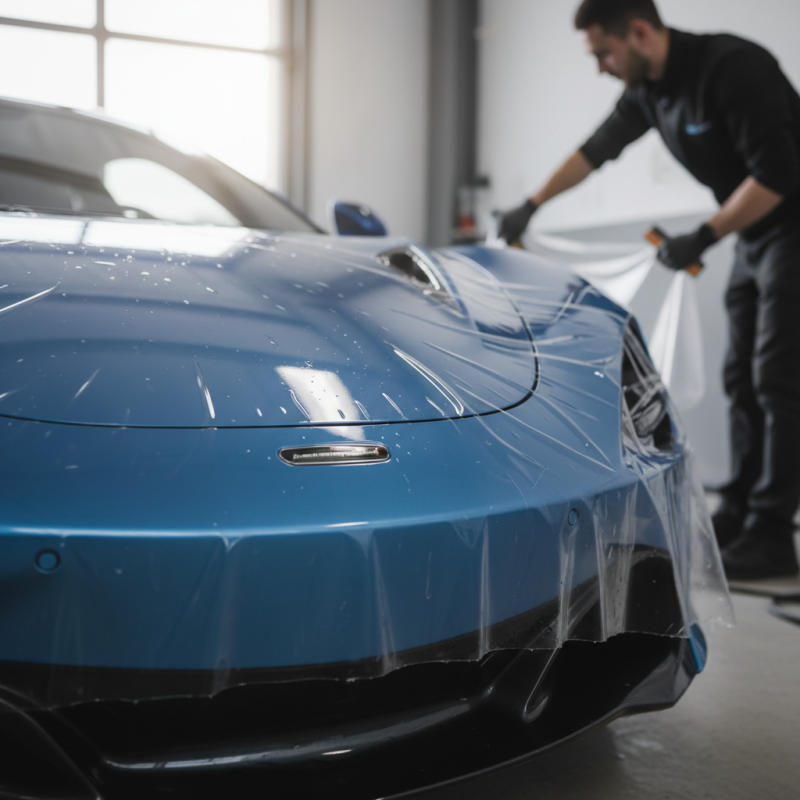
Paint protection film (PPF) is a transparent, durable layer that adheres to the surface of cars. It serves as a barrier, guarding against scratches, chips, and UV damage. Typically made from strong polyurethane, PPF absorbs impacts from road debris. It helps maintain the vehicle’s pristine appearance, which is essential for car enthusiasts and daily drivers alike.
Applying PPF requires precision and expertise. Technicians clean the car's surface thoroughly before installing the film. Some might rush this step, leading to bubbles or peeling. The film also self-heals minor scratches when exposed to heat. However, not every application is flawless; sometimes, the edges may lift or become discolored. Regular maintenance is essential to prolong the film's life, as neglect can result in a less effective defense against environmental factors.
Top Advantages of Paint Protection Film for Car Owners
Key Benefits of Applying Paint Protection Film to Your Vehicle
Applying paint protection film to your vehicle offers several key benefits that every car owner should consider. This transparent layer serves as a shield against scratches and chips caused by road debris. Whether it’s a small stone or a wayward shopping cart, the film can absorb impacts that would otherwise mar your paint job.
Another advantage is UV protection. Over time, constant exposure to sunlight can fade your car's finish. The film helps maintain your vehicle's original color and shine. It’s not just about aesthetics; preserving your car’s appearance can also enhance its resale value.
However, it's essential to recognize that applying paint protection film is not a foolproof solution. Issues can arise with improper installation or low-quality products. Regular maintenance is crucial to ensure the film adheres well and doesn’t yellow over time. Some owners might find it requires more attention than they initially expected. Balancing these elements can lead to a more satisfying ownership experience, making it worth the effort.
Durability and Longevity: How Paint Protection Film Protects Your Car
Paint protection film (PPF) is an essential safeguard for vehicle owners. It offers unmatched durability and longevity, shielding paint from scratches, chips, and environmental damage. A study by the International Carwash Association noted that about 80% of vehicles experience paint damage within the first five years. This emphasizes the need for effective protection solutions like PPF.
Durability is a defining feature of PPF. High-quality films can resist abrasions, chemical stains, and UV radiation. According to a report from the Automotive Paint Protection Association, PPF can extend the lifespan of a car's exterior finish by up to six years. Customers often underestimate the impact of daily wear, leading to premature paint deterioration. The reality is that without proper protection, vehicles may face costly repainting or refinishing.
Long-term investment is another advantage of PPF. While installation may seem costly, the protective benefits often outweigh initial expenses. A well-maintained vehicle can retain up to 70% of its value after several years. However, many car owners overlook this, leading to potential financial loss upon resale. PPF helps maintain the car's aesthetic appeal, contributing to better resale value and keeping owners satisfied with their investment.
Cost-Effectiveness of Paint Protection Film for Car Maintenance
Paint protection film (PPF) offers car owners a unique blend of durability and cost-effectiveness. Maintaining a vehicle's aesthetics can be pricey, especially with regular paint touch-ups. PPF acts as a barrier against chips, scratches, and harmful UV rays, extending the life of your car's finish. By investing in a quality paint protection film, you may save on future repairs, allowing you to focus on enjoying your vehicle.
Tips: Before applying PPF, consider your driving habits. If you often drive in areas with gravel roads, PPF can be a wise choice. Proper installation is key; poorly applied film can peel or bubble. Research local installers with experience to ensure a smooth application.
Another consideration is the investment aspect. While the upfront cost may seem high, think of the long-term benefits. A well-maintained car retains higher resale value. Moreover, PPF requires minimal upkeep compared to a traditional wax job. However, not all films are created equal. Some cheaper options might not provide the same level of protection. Always weigh the benefits against potential drawbacks.
Comparison of Paint Protection Film with Other Vehicle Protection Options
Paint protection film (PPF) offers significant advantages for car owners. When compared to other vehicle protection options like ceramic coatings, PPF stands out for its immediate protection against chips and scratches. Unlike ceramics, which create a surface barrier, PPF acts as a physical shield, absorbing damage from road debris or environmental factors.
Adhesive technology in PPF allows it to bond well with various surfaces. This means it can cover areas that are prone to wear and tear, such as bumpers and hoods. In contrast, wax and sealants often require frequent reapplication. They may protect against UV rays, but they do not provide the same level of physical protection.
**Tip:** Regularly inspect your PPF for any signs of wear. This can help you catch issues early on, ensuring your car stays protected.
PPF is not without flaws. Over time, the adhesive may degrade, especially in harsh environments. This necessitates a cautious approach to installation. Comparing the lifespan, ceramic coatings can last longer but may not offer the same level of damage prevention.
**Tip:** When choosing protection, consider your driving conditions. If you frequently drive in areas with heavy debris, PPF might be a better choice.
Top Advantages of Paint Protection Film for Car Owners
| Feature | Paint Protection Film | Ceramic Coating | Wax | Sealants |
| Durability | Excellent, up to 10 years | Good, 2-5 years | Low, 1-3 months | Medium, 6 months-1 year |
| Protection Level | High, resistant to scratches and chips | Moderate, mainly chemical resistance | Low, basic protection from dirt | Moderate, protects against weather elements |
| Installation Complexity | Requires professional installation | Can be DIY or professional | Easy to apply | Relatively easy to apply |
| Cost | High initial investment | Moderate initial investment | Low cost | Medium cost |
| Maintenance | Minimal, wash and wax | Regular maintenance needed | Frequent reapplication | Occasional reapplication |