Best Windows and Doors Trends for 2026 What to Know?
As we approach 2026, the landscape of the windows and doors industry is ripe for transformation. Industry expert Sarah Jenkins, a renowned architect, once stated, “Innovative designs in windows and doors will define the homes of tomorrow.” This perspective highlights the pivotal role these elements will play in modern architecture.
In the coming years, sustainability and energy efficiency will dominate discussions about windows and doors. More homeowners seek materials that minimize environmental impact. Glass technology is advancing, allowing for better insulation and aesthetic appeal. Smart features, including integrated sensors and automated systems, are becoming standard. However, balancing style and functionality remains a challenge for many designers.
Amid these trends, the industry faces issues with supply chain disruptions and sourcing sustainable materials. Architects and builders must rethink traditional methods. Flexibility in design and material choice will be key. As we explore the best trends for windows and doors, staying informed about innovations is crucial for making educated decisions in this evolving market.
Emerging Design Trends in Windows and Doors for 2026
As we look ahead to 2026, the world of windows and doors is evolving rapidly. Sustainability is a major focus. Homeowners increasingly prioritize energy-efficient designs. Products made from recycled materials are gaining traction. This shift not only benefits your home but also the planet.
Another emerging trend is the integration of smart technology. Windows and doors with built-in sensors and automation are becoming more common. Imagine controlling your windows remotely or setting your doors to lock automatically. This enhances security and convenience. However, consider potential technological glitches or malfunctions.
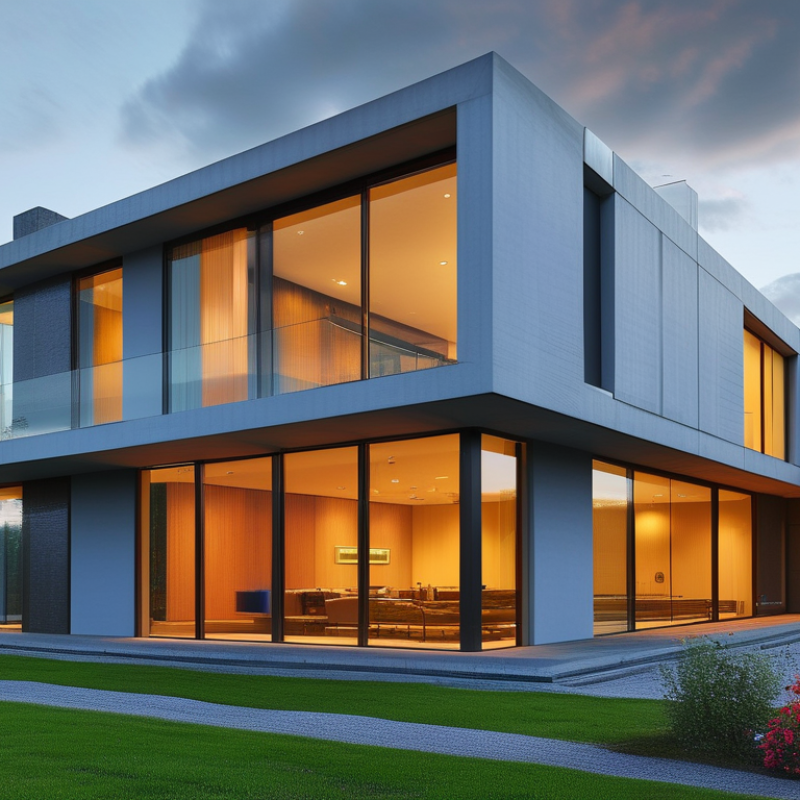
When choosing designs, think about natural light. Large glass panels or bi-fold doors can create a seamless transition between indoors and outdoors. This trend promotes a sense of openness. Yet, maintaining privacy can be a challenge. Explore window treatments that blend style with functionality.
Tips for homeowners: Look for products with long warranties. This ensures you are protected against defects. Always consider the climate of your region when selecting materials. Not every product suits every environment. Research is crucial to finding the perfect fit for your home.
Sustainability as a Key Factor in Window and Door Manufacturing
As we approach 2026, the demand for sustainability in window and door manufacturing becomes increasingly evident. Consumers are prioritizing eco-friendly materials that minimize environmental impact. Manufacturers are exploring innovative processes to meet this demand. This trend signals a shift towards greener solutions that resonate with a conscientious public.
Using materials like recycled glass and sustainable wood is becoming standard. These options not only reduce waste but also improve energy efficiency. However, there are still challenges. For example, the availability of sustainable materials can be inconsistent. Manufacturers must navigate these complexities as they work towards eco-friendly practices.
Moreover, the production processes need closer scrutiny. Implementing sustainable methods can initially be costly and time-consuming. Companies may struggle to balance eco-initiatives with profitability. This highlights the importance of ongoing research and adaptation in the industry. Embracing sustainability is not just a trend; it is an essential evolution that confronts reality and compels rethinking traditional practices.
Best Windows and Doors Trends for 2026
| Trend |
Description |
Sustainability Factor |
Projected Impact |
| Triple Glazing |
Enhanced energy efficiency with improved insulation. |
Uses environmentally friendly materials, reduces carbon footprint. |
Significant energy savings and increased comfort. |
| Smart Windows |
Windows that automatically adjust tint based on sunlight. |
Reduces dependence on heating and cooling systems. |
Energy consumption reduction by up to 30%. |
| Recycled Materials |
Use of recycled plastic and metal in manufacturing windows and doors. |
Promotes waste reduction and sustainable sourcing. |
Lower environmental impact and resource conservation. |
| Biophilic Design |
Incorporation of natural elements in window and door designs. |
Encourages biodiversity and healthy living environments. |
Enhances mental wellness and connection with nature. |
| Energy Star Ratings |
Windows and doors certified for high energy efficiency. |
Promotes the use of products that meet sustainability standards. |
Encourages consumer choices towards energy-efficient options. |
Technology Advancements Impacting Windows and Doors in 2026
As we approach 2026, the integration of technology in windows and doors is becoming more prominent. Innovations like smart glass and improved insulation are transforming these essential elements of our homes. According to a recent report by the American Architectural Manufacturers Association, smart windows can reduce energy consumption by up to 25%. This shift is driven by a growing demand for energy efficiency and sustainability.
Moreover, recent advancements in window coatings are enhancing durability and performance. Nanotechnology is being utilized to create self-cleaning surfaces. These surfaces can repel dirt and water, maintaining clarity with minimal upkeep. The potential market for smart windows is expected to reach $96 billion by 2027. However, while these innovations seem promising, they also raise questions about long-term maintenance and software compatibility.
The role of automation is pivotal for door systems as well. Biometric locks and smart entry systems are becoming common. Yet, they present challenges regarding privacy and security. Consumers may enjoy convenience, but reliance on technology can lead to vulnerabilities. As we move into 2026, industry experts stress the importance of balancing innovation with traditional security measures.
Color and Material Preferences Shaping Future Window and Door Styles
As we approach 2026, color and material preferences are dramatically influencing window and door styles. Homeowners are moving away from traditional white and browns. They're leaning towards bold hues like deep greens, navy blues, and even vibrant reds. These colors can create striking contrasts with neutral exteriors. Such choices project personality and style.
Material preferences are also evolving. While wood remains timeless, composite materials are gaining traction. They offer durability without the maintenance issues of real wood. Additionally, aluminum frames are becoming increasingly popular due to their modern aesthetic and strength. Homeowners appreciate energy efficiency and sustainability. This is a must for modern designs.
Tips: When selecting colors, consider your neighborhood's aesthetics. Ensure your choice harmonizes with surrounding homes. It’s essential to explore various finishings; matte and glossy options can dramatically alter outcomes. Make samples before finalizing decisions. It’s a chance to reflect on how the styles resonate with you and your home environment. Don't rush the process; good design takes time to evolve.
Best Windows and Doors Trends for 2026
Energy Efficiency Regulations and Their Influence on Designs in 2026
As energy efficiency regulations tighten, window and door designs are evolving significantly. The demand for better insulation is reshaping how these features are integrated into homes. Homeowners now seek products that meet or exceed the latest efficiency standards. This trend is evident in the focus on triple glazing and advanced framing materials. These options not only improve thermal performance but also reduce utility bills over time.
Many architects emphasize the importance of natural lighting. Strategically placed windows can provide ample daylight while maintaining energy efficiency. The challenge lies in balancing aesthetics with functionality. Oversized windows may flood a room with light, but they can also lead to energy loss if not designed carefully. This requires thoughtful consideration of orientation and shading techniques.
Aesthetic appeal must not overshadow energy performance. Professionals urge a holistic approach to design. Homeowners are encouraged to choose materials that align with sustainability goals. This involves researching reliable materials that contribute to energy savings. The market often presents options that look appealing but may lack efficiency. Therefore, making informed decisions is essential for long-term satisfaction.