How to Choose the Best Windows and Doors for Your Home Renovation
When it comes to home renovation, selecting the right windows and doors is crucial—not just for aesthetic appeal, but also for energy efficiency and security. According to a recent report by the American Window and Door Association, upgrading windows and doors can contribute to a reduction in energy costs by up to 30%, making it an investment that pays off both in comfort and savings. As noted by industry expert John Anderson, "The choice of windows and doors significantly impacts the overall performance of a home, influencing everything from insulation to curb appeal."
Furthermore, the market for windows and doors continues to evolve, with the recent trends showcasing a strong demand for eco-friendly materials and smart technology integration. A survey conducted by Remodeling Magazine found that replacing old windows and doors can yield an average return on investment of 70% to 75% upon resale, illustrating the importance of making informed decisions during a renovation. With the right guidance, homeowners can navigate the complexities of selecting windows and doors that not only enhance their living space but also provide lasting benefits.
Understanding the Role of Windows and Doors in Home Renovation
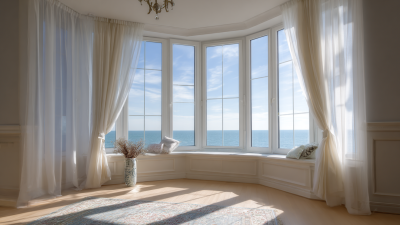
Understanding the role of windows and doors in home renovation is essential for achieving a harmonious blend of aesthetics and functionality. Windows not only serve as a critical element in energy efficiency but also impact the overall ambiance of the interiors. Quality windows can enhance natural light, contributing to a more welcoming environment, while also providing insulation that reduces energy costs. When selecting windows, consider the style of your home and the overall architectural theme you wish to convey.
Doors play a significant role in both interior and exterior spaces. They are not merely entry points but are integral to the overall flow and feel of your home. Choosing the right door designs can create a cohesive look throughout your property and ensure security and durability. When renovating, opt for doors that complement your windows, enhancing both functionality and aesthetic appeal.
Tips:
- Always measure the dimensions of window and door openings accurately before shopping to avoid any fitting issues.
- Consider energy-efficient options such as double-glazed windows and insulated doors to maximize comfort and reduce energy expenses.
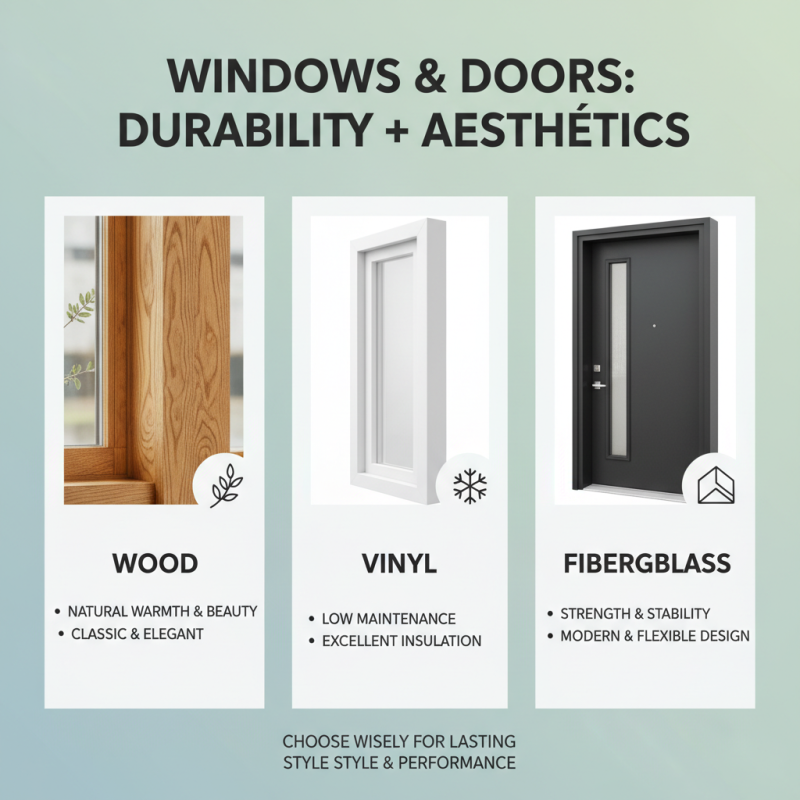
- Pay attention to the style and material of your windows and doors; wood, fiberglass, and vinyl all offer unique benefits that can align with your renovation goals.
Assessing Your Home's Style and Architectural Features
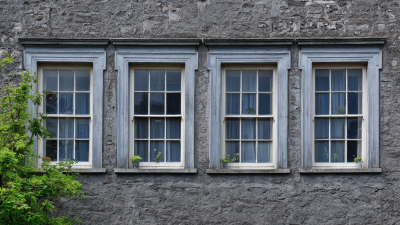
When renovating your home, choosing the right windows and doors is pivotal for enhancing both aesthetics and energy efficiency. To ensure that your selections complement your home's existing style, begin by assessing architectural features such as the overall design, roof style, and other notable elements. According to the National Association of Home Builders, over 80% of homeowners consider the architectural style of their house when selecting windows and doors. This focus not only elevates the visual appeal but also contributes to the preservation of your home’s unique character.
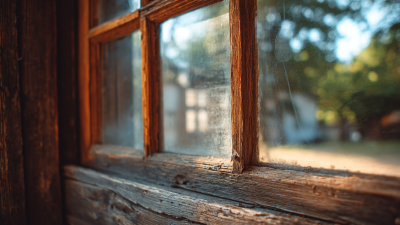
Furthermore, it is essential to evaluate the materials and types of windows and doors that resonate with your architectural features. For instance, traditional homes often benefit from classic wooden windows, while contemporary styles may call for sleek, aluminum-framed options. A report from the American Institute of Architects highlights that incorporating energy-efficient windows can lead to a reduction in energy costs by up to 30%, making it a smart choice that aligns with modern sustainability trends without compromising aesthetic integrity. By harmonizing style with functionality, you can achieve a cohesive look that enhances your home’s charm and value.
Evaluating Energy Efficiency Ratings for Windows and Doors
When renovating your home, choosing the right windows and doors is crucial not only for aesthetics but also for energy efficiency. Energy efficiency ratings for windows and doors are primarily measured using the U-factor, Solar Heat Gain Coefficient (SHGC), and Energy Star ratings. According to the U.S. Department of Energy, windows with a low U-factor (typically below 0.30) significantly reduce heat transfer, which can lead to lower heating costs during winter months. This is particularly important in regions that experience extreme temperatures, as poor insulation can be a major source of energy loss.
In addition to the U-factor, SHGC plays a vital role in assessing how well windows and doors can block heat gain from sunlight. A lower SHGC rating indicates better performance in keeping indoor spaces cool during the summer, specifically in warmer climates. For instance, selecting windows with an SHGC of 0.25 or lower can be beneficial for homes located in sunny areas, as reported by the American Society of Heating, Refrigerating and Air-Conditioning Engineers (ASHRAE). Furthermore, Energy Star-certified products are generally recognized for meeting strict energy efficiency guidelines set by the Environmental Protection Agency (EPA), making it easier for homeowners to choose options that align with their energy-saving goals.
Selecting the Right Materials for Durability and Aesthetics
When selecting the right materials for windows and doors in your home renovation, it’s important to balance durability with aesthetics. The materials you choose should not only complement your home’s style but also withstand the test of time. Common materials include wood, vinyl, and fiberglass, each offering unique benefits. For example, wood provides natural warmth and beauty, while vinyl is known for its low maintenance and excellent insulation properties. Fiberglass, on the other hand, combines strength with design flexibility, making it a popular choice for modern homes.
Tips for durability: Always opt for high-quality materials that can resist weather elements and provide energy efficiency. Look for energy-efficient ratings and warranties that ensure longevity. Additionally, consider installation quality, as even the best materials can fail if not properly installed.
When focusing on aesthetics, think about how the colors and textures of your windows and doors will harmonize with your home's overall design. Choose finishes that enhance the architectural style while also being practical. Don’t hesitate to explore custom options to achieve a unique look that sets your home apart.
By prioritizing both durability and aesthetics, you can make well-informed choices that enhance your renovations while increasing your home’s value.
Considerations for Installation and Maintenance of Windows and Doors
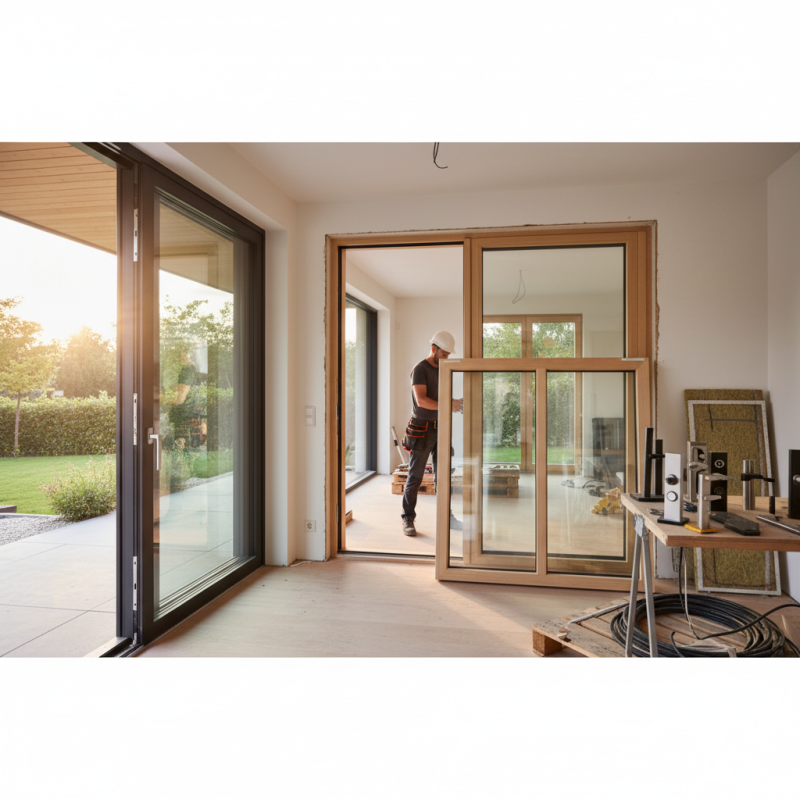
When renovating your home, selecting the right windows and doors is crucial not only for aesthetics but also for functionality and efficiency. Installation plays a pivotal role in their performance; improperly fitted windows and doors can lead to air leaks, water infiltration, and energy loss. According to the U.S. Department of Energy, up to 30% of a home's heating energy can escape through poorly installed windows. Therefore, investing in professional installation is often worth the cost and helps ensure that your new installations meet building codes and function optimally.
Regular maintenance of your windows and doors is essential for durability and longevity. A report by the National Association of Home Builders indicates that homes with well-maintained doors and windows exhibit an increase in energy efficiency, which can save homeowners an average of 15% on energy bills. Simple maintenance tasks, like checking weather stripping, cleaning tracks, and inspecting for any signs of wear, can prevent costly repairs down the road.
Tip: Always choose energy-efficient models with good insulation ratings. Look for windows and doors that have been certified by Energy Star or similar programs to ensure that you are making a smart investment. Additionally, consider the climate of your area when selecting materials; for instance, wooden doors might offer better insulation in colder climates, while fiberglass may be more suitable for humid environments. Regularly assessing the condition of your installations can save you money in the long term while enhancing your home’s comfort.