Commercial Windows Tips for Choosing the Best Options?
When considering commercial windows, the selection process can be daunting. It's crucial to make informed decisions. Renowned expert in commercial architecture, John Smith, states, "The right windows can transform an entire building's aesthetic and efficiency." Choosing the best options involves evaluating several factors.
The material, style, and energy efficiency of commercial windows play a significant role. Opt for windows that not only enhance the building’s appearance but also improve energy performance. Poor choices can lead to increased costs and discomfort. For instance, opting for cheap materials might save money short-term but lead to higher maintenance fees later.
Reflecting on your specific needs is essential. Are you prioritizing cost, energy efficiency, or aesthetic appeal? Each project is unique, and the right decision is not always clear-cut. Achieving balance requires careful thought and consultation with industry specialists. Make sure to explore various options to find the windows that best fit your vision and requirements.

Factors to Consider When Selecting Commercial Windows
When selecting commercial windows, several key factors come into play. Energy efficiency is paramount. According to the U.S. Department of Energy, 30% of a building's energy loss is through windows alone. That statistic underscores the need for windows with high thermal performance. Look for those with a low U-factor, as this indicates better insulation. Additionally, consider windows with high solar heat gain coefficients, especially in warmer climates.
Durability is another crucial aspect. Commercial environments demand materials that withstand various weather conditions and wear. The National Fenestration Rating Council (NFRC) suggests that vinyl and fiberglass frames offer exceptional longevity. Yet, not all materials are created equal; regional climate factors should inform this choice. Maintenance needs also play a significant role in durability. Less maintenance can equate to lower long-term costs.
Cost implications are often a concern. While cheaper windows may seem appealing initially, they can lead to higher energy bills over time. Building owners should analyze total lifecycle costs, not just upfront expenses. The initial investment in high-quality windows can yield significant savings on energy bills and maintenance. Making informed choices benefits both the environment and the bottom line.
Types of Commercial Windows and Their Applications
Choosing the right commercial windows can significantly impact energy efficiency and aesthetics. Several types of windows cater to different applications and environments. For instance, double-hung windows are popular in retail spaces. They provide ventilation and easy maintenance. Their classic design complements various architectural styles. However, they might not be the best choice in areas prone to high winds.
Sliding windows are another common option in commercial buildings. They are space-efficient and offer large views. These windows can enhance the appeal of restaurant or office spaces. Yet, they can sometimes trap water if not installed correctly. Careful consideration is essential to avoid issues down the line.
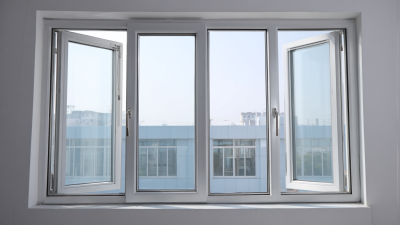
Casement windows are often favored in office buildings. They open outward, allowing maximum airflow. These windows are also more secure than many other types. However, they require more maintenance due to their moving parts. A periodic inspection can help ensure they function properly over time. Ultimately, each type of commercial window has its strengths and weaknesses, prompting thoughtful evaluation based on specific needs.
Energy Efficiency Ratings and Their Importance
When selecting commercial windows, energy efficiency ratings become a pivotal factor. Understanding these ratings helps businesses make informed decisions that align with sustainability goals. According to the U.S. Department of Energy, windows account for about 25-30% of a building's heating and cooling energy use. This statistic emphasizes the importance of choosing windows with high energy efficiency ratings.
Windows with a high Energy Star rating can reduce energy bills significantly. Studies suggest that buildings equipped with energy-efficient windows can save up to 15% on energy costs annually. However, it’s important to note that not all “energy-efficient” claims are equal. The National Fenestration Rating Council (NFRC) provides standardized ratings, allowing businesses to compare different products easily. Yet, some firms may still mislead consumers, emphasizing aesthetics over actual performance.
Moreover, the upfront cost of energy-efficient windows may deter some property owners. The long-term savings, however, often outweigh initial expenses. A report from the American Council for an Energy-Efficient Economy indicates that energy-efficient windows have a return on investment (ROI) of approximately 50-70% over their lifespan. It's essential for businesses to weigh immediate costs against long-term financial and environmental benefits.
Energy Efficiency Ratings of Commercial Windows
Material Choices: Glass, Frame, and Insulation Options
When selecting commercial windows, the choices in materials can significantly impact performance and energy efficiency. Glass options include tempered, laminated, and low-E glass. A report by the U.S. Department of Energy suggests that low-E glass can reduce energy costs by up to 30%. This technology reflects infrared light while permitting visible light, leading to decreased heating and cooling expenses.
Frames are also crucial. Aluminum frames are popular for their durability, yet they have lower insulative properties. Vinyl frames, while cost-effective and energy efficient, may lack the long-term durability of aluminum. Insulating properties matter. According to the National Fenestration Rating Council, window insulation is measured by the U-factor. A lower U-factor means better insulation, potentially saving businesses as much as $500 annually on energy bills depending on climate.
Despite these choices, mistakes can happen. For instance, properties may overlook proper installation techniques. Poor installation can negate insulation benefits, leading to air leakage and higher energy costs. Regular inspections should follow installation to ensure windows meet performance standards. Balancing cost with efficiency is crucial and requires careful consideration.
Budgeting for Commercial Window Installation and Maintenance
When budgeting for commercial window installation and maintenance, careful planning is crucial. Start by assessing the scope of work. Consider the size, type, and number of windows you need. It's easy to overlook hidden costs, such as installation labor and materials. A detailed estimate helps avoid surprises later.
Explore options for sustainable windows. They might have a higher upfront cost but can save money in energy efficiency. Assess potential long-term savings from lower energy bills. Windows that require less maintenance can also save expenses over time. Remember to factor in these benefits when comparing initial costs.
Seeking estimates from multiple contractors can provide valuable insights. Different companies may offer varying services and pricing. Reviews and recommendations can guide your choices. Look for feedback on their reliability and quality of work. It's worthwhile to invest time in finding the right team for your project. Reluctance to thoroughly vet options might lead to regrettable decisions.