What is Composite Insulation Panel-Alu Benefits and Uses?
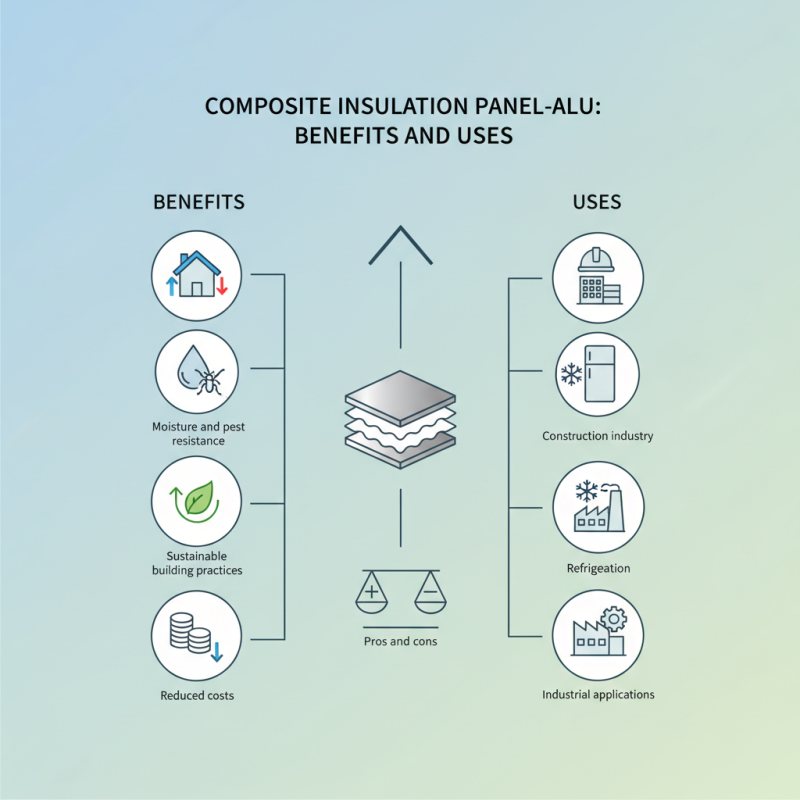
Composite Insulation Panel-Alu is a groundbreaking solution in the insulation industry. It combines lightweight materials with exceptional thermal performance. This panel is primarily made of aluminum. Its unique structure ensures durability and efficiency. Many industries, including construction and refrigeration, are adopting it.
The benefits are numerous. Composite Insulation Panel-Alu is energy-efficient. It helps in reducing heating and cooling costs. Furthermore, it is resistant to moisture and pests, which enhances its lifespan. However, not all applications may showcase its benefits equally. Some users report installation challenges and variations in quality.
Increased awareness of the environmental impact is driving innovation in insulation materials. Composite Insulation Panel-Alu aligns with these green goals. It supports sustainable building practices. As the demand grows, so does the need for informed decisions on material selection. Embracing composite insulation requires careful consideration of its pros and cons. Understanding these factors will lead to better choices in insulation systems.
What is a Composite Insulation Panel?
Composite insulation panels, often referred to as Alu panels, are innovative building materials. These panels consist of two aluminum sheets enclosing a core material, such as polystyrene or polyurethane. The combination creates a highly efficient insulation solution. Durability and weather resistance are key features of these panels. They withstand harsh environmental conditions while maintaining thermal performance.
The benefits of composite insulation panels are extensive. They offer superior thermal insulation, reducing energy costs in buildings. Lightweight yet strong, these panels are easy to install and handle. The smooth surface allows for various finishes, making them aesthetically pleasing. Additionally, their fire resistance is notable. They can enhance safety in residential and commercial properties.
However, it's important to evaluate their limitations. The upfront cost can be higher compared to traditional insulation materials. Environmental concerns about the manufacturing process also exist. Ensuring proper recycling methods is essential. Overall, while composite insulation panels offer significant advantages, a balanced consideration of their impact and initial investment is necessary for informed decisions.
What is Composite Insulation Panel-Alu Benefits and Uses? - What is a Composite Insulation Panel?
| Feature | Description |
| Material Composition | Consists of an aluminum layer, insulation core (like polyurethane), and a backpanel. |
| Thermal Efficiency | Provides excellent thermal performance, minimizing energy costs. |
| Weight | Lightweight compared to traditional building materials, easy to handle and install. |
| Durability | Highly resistant to weather, corrosion, and fire, offering long-lasting performance. |
| Applications | Used in buildings, warehouses, and cold storage facilities due to insulation properties. |
| Environmental Impact | Made from recyclable materials, contributing to sustainable building practices. |
| Cost-Effectiveness | Reduces heating and cooling costs, ultimately providing savings over time. |
Key Materials Used in Composite Insulation Panels
Composite insulation panels are increasingly popular in modern building projects. They consist of multiple layers that enhance thermal performance. The primary materials in these panels include aluminum, polyisocyanurate foam, and various facings.
Aluminum provides a lightweight yet durable outer layer. Its reflective properties help improve energy efficiency. Polyisocyanurate foam acts as the core material. This foam offers excellent thermal insulation, making environments more comfortable. Various facings, such as fiber-reinforced polymers, add strength and resistance to environmental damage. These materials work together to create a versatile and robust solution.
However, using composite materials requires careful consideration. Not all combinations of materials perform well under specific conditions. Installation mistakes can lead to thermal bridging, undermining energy efficiency. It’s critical to assess project requirements and local climate. Seeking expert advice can help ensure optimal performance.
Benefits of Using Alu Composite Insulation Panels
Alu composite insulation panels have gained significant attention in the construction industry. Their lightweight nature makes them easy to install, which can save time and labor costs. Additionally, they offer excellent thermal insulation properties, reducing energy consumption in buildings. This means energy bills can be lowered, providing savings over time.
These panels are also durable and resistant to various weather conditions. They can withstand extreme temperatures, moisture, and even fire to a certain extent. However, it is essential to choose the right specifications for your project, as not all panels perform equally well in all situations.
The aesthetic appeal of alu composite panels cannot be overlooked. They come in various finishes and colors, offering flexibility in design. This allows architects and builders to create visually striking facades. Nevertheless, one must reflect on the long-term implications of material choices. Are these panels the best option for sustainability? Evaluating the lifecycle of materials is crucial in making responsible decisions.
Common Applications of Composite Insulation Panels
Composite insulation panels, specifically aluminum-faced ones, have found diverse applications across various industries. These panels are optimal for building facades, cold storage facilities, and thermal insulation in industrial settings. The lightweight nature of composite panels aids in reducing the overall structural load, making them an ideal choice for modern construction projects. The ability to combine insulation and structural integrity in a single product improves the energy efficiency of buildings.
Recent reports indicate that buildings with composite insulation panels achieve energy savings of up to 30%. This improvement is especially relevant in climates requiring extensive heating or cooling. Moreover, these panels do not just stop at insulation; they also provide excellent fire resistance and durability. A well-planned installation can enhance the safety and longevity of a structure. However, achieving the best results depends heavily on the installation process, which can be complex and often requires skilled professionals.
Common applications include warehouses, retail spaces, and manufacturing plants. While many facilities benefit from the thermal performance of these panels, some still face challenges regarding moisture management and panel connectivity. These issues can lead to cold bridging and potential energy losses. Continual assessment and adaptation in construction practices can help overcome these hurdles, enhancing the overall performance of composite insulation panels in various settings.
Benefits and Uses of Composite Insulation Panels
Comparison with Other Insulation Materials
Composite insulation panels, particularly those with aluminum facings, offer unique advantages over traditional insulation materials. Their lightweight structure provides excellent thermal performance. This means they save energy while keeping spaces comfortable. The panels also resist moisture and corrosion, which can prolong their lifespan. Compared to fiberglass, composite panels are easier to install and require less maintenance.
When looking at insulation choices, it’s essential to consider durability. While polystyrene can be more affordable, it does not match the thermal efficiency of composite panels. Plywood, another alternative, is heavier and less resistant to environmental factors. Composite panels tend to outperform these options in insulation properties and structural integrity. However, they may require a higher initial investment.
In construction, the choice of materials often reflects a balancing act. Consider the long-term benefits versus short-term costs. Aluminum composite panels may not be the best fit for every project, especially when budgets are tight. Reflecting on individual needs is crucial for optimal decisions. An informed choice relies on thorough evaluation of both immediate and future requirements.