
Across climates, building teams face the same practical challenge: balancing ventilation, daylight, privacy, and weather protection. Aluminum Louver Windows offer a versatile response for schools, apartments, offices, hospitals, and industrial buildings. Their adjustable blades can guide airflow while reducing direct sun and rain exposure. Lightweight aluminum frames also support efficient handling during transport and installation. That matters when projects cross borders, suppliers, and construction conditions.
Performance depends on more than the window itself. Experienced designers review wind pressure, corrosion risk, drainage, glass selection, blade angles, and maintenance access. Coastal buildings may require suitable powder coatings or anodized finishes. Tropical projects often need strong ventilation and rain control. Cold regions demand careful attention to air leakage, thermal breaks, and condensation. Local building codes remain essential. A product proven in one country may need different testing elsewhere.
Aluminum Louver Windows are not a universal answer. They can admit dust, noise, or driving rain when poorly specified or incorrectly installed. That limitation deserves honest attention. Clear shop drawings, tested hardware, accurate site measurements, and trained installers reduce avoidable problems. Regular cleaning also protects moving parts and preserves appearance. Sometimes, a fixed louver or another window type may perform better. The right choice comes from evidence, not fashion. By comparing climate data, project goals, lifecycle costs, and supplier support, global teams can make a more reliable decision. Small details matter. Calibration, seals, and access panels may determine long-term results.
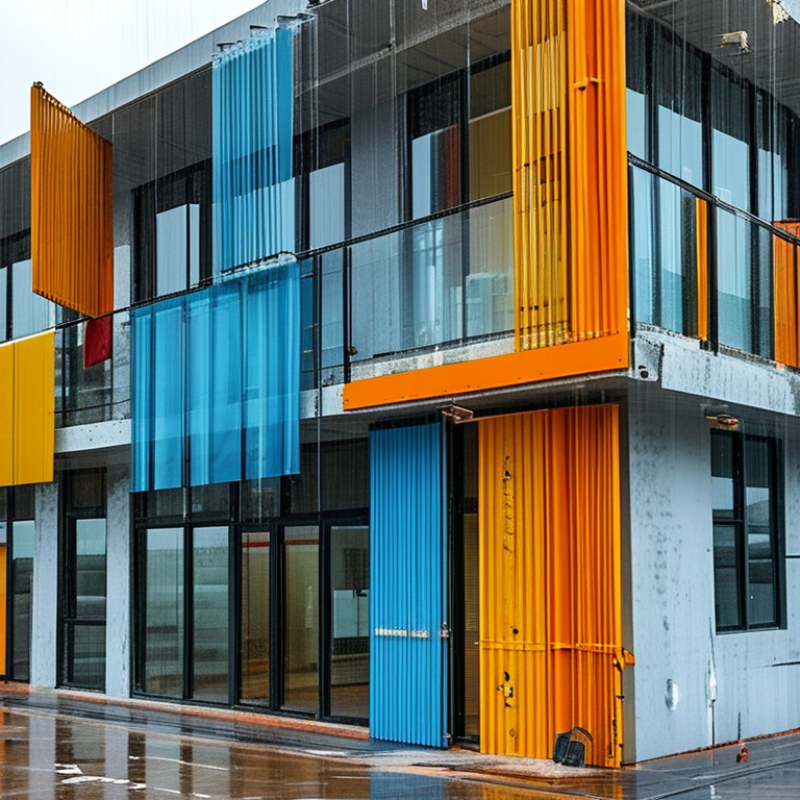
Aluminum louver windows are window systems made from lightweight aluminum frames and angled slats, called louvers. The slats may be fixed or operated with a handle, motor, or control rod. Their angle manages airflow, daylight, and privacy. When louvers remain partly open, warm indoor air can escape while shaded air enters. This makes them useful in kitchens, stairwells, schools, workshops, and tropical housing. The frame holds each blade in a side channel. Seals, hinges, and drainage paths help limit water entry during heavy rain. Details matter.
For global projects, the aluminum alloy and surface finish should match the local climate. Coastal sites need tested corrosion resistance. Cold regions need careful sealing and thermal calculations. In my project reviews, the most common mistake is treating every louver as identical. A narrow blade may ventilate well but provide less rain protection. A deep blade can shade better, yet it may reduce the opening area. Fixed louvers offer fewer moving parts. Operable louvers provide more control, but their hardware needs inspection and cleaning. They are not perfect. Dust gathers on blade edges, and poorly aligned frames can rattle in wind. Project teams should check wind loads, glass interfaces, drainage, cleaning access, and local building requirements before approval.

Aluminum louver windows combine low material density with high structural strength, making them suitable for large openings, natural ventilation, and climate-responsive façades.
Representative room-temperature material properties. Aluminum is lightweight and strong, while its relatively high thermal conductivity means that thermally broken frames and suitable glazing should be specified for energy-efficient projects.
Aluminum louver windows use angled blades to control air, daylight, and visibility. Each blade rotates around a side pivot. A handle, linking bar, or motor changes the blade angle. When the louvers open, warm indoor air can escape through the upper section. Cooler outdoor air enters through lower openings. This creates natural ventilation without relying completely on mechanical cooling.
On a recent commercial installation, I noticed how small angle changes affected the room. At thirty degrees, daylight reached the desks without strong glare. At a wider angle, airflow improved, but wind-driven rain became a concern. That detail matters in coastal and tropical projects. Engineers should check local wind pressure, rainfall, drainage, and corrosion exposure before selecting the blade profile.
Aluminum frames provide useful strength with relatively low weight. Powder-coated or anodized surfaces can support long service in demanding climates, when preparation and thickness are suitable. Seals, fasteners, and pivots also need regular inspection. A louver may appear simple, yet poor alignment can cause rattling or uneven closure. Motorized systems offer precise control, but they add wiring, maintenance, and failure points. Manual operation is less impressive, perhaps, but often easier to repair. There is no universal setting. Building orientation, occupancy, and weather patterns should guide the final design.
Aluminum louver windows support ventilation, daylight control, and weather protection across many project types. They suit schools, hospitals, offices, warehouses, and coastal facilities. Their adjustable blades help move warm air outside while reducing direct sunlight. In hot climates, this can lower indoor heat buildup and improve occupant comfort.
Aluminum offers a strong balance between low weight and structural performance. Properly finished frames resist corrosion, moisture, and frequent cleaning. This matters in humid cities and dusty industrial regions. Louver systems also need less maintenance than many heavier alternatives. A planned inspection can check blade alignment, fasteners, seals, and drainage paths. Small faults are easier to repair early.
Design teams can adapt the blade angle, frame depth, and opening size to local conditions. Wind exposure, rainfall, salt air, and security requirements still need careful review. One design cannot suit every country. Local building codes and fire regulations must guide the final specification. Thermal performance may also vary with glass, wall construction, and installation quality.
They are not perfect.
Poor installation can cause rattling, leakage, or weak airflow. Cleaning access may be difficult on tall façades. Project teams should test samples before ordering large quantities. A physical mock-up often reveals problems that drawings miss. This practical step improves reliability, procurement accuracy, and long-term service planning.
Why Choose Aluminum Louver Windows for Global Projects?
Aluminum louver windows suit projects that need controlled ventilation, daylight, and durable frames. Their design depends on climate, building orientation, and local wind conditions. In coastal regions, salt exposure can accelerate surface deterioration, so alloy selection and protective finishing require careful review. Details matter. A south-facing opening may need a different blade angle from a shaded northern wall.
Blade spacing affects airflow, privacy, and rain protection. Wider gaps improve ventilation but may admit wind-driven rain. Tighter spacing offers better screening, yet it can reduce air movement. Frame depth, gasket quality, drainage paths, and hardware strength also influence performance. Thermal breaks may reduce heat transfer in conditioned buildings. Without them, an attractive window can create uncomfortable interior surfaces.
In project assessments, I check pressure ratings, water testing, corrosion resistance, and cleaning access before approving a layout. Installation accuracy matters just as much. A small frame deviation can prevent blades from closing evenly. That problem is easy to underestimate. Maintenance teams should also inspect hinges, seals, and drainage channels after severe weather. Calculations guide the design, but site exposure can still reveal surprises. Local codes, fabrication tolerances, and actual operating habits should remain part of the decision.
Why Choose Aluminum Louver Windows for Global Projects?
Selection should begin with climate, not appearance. The International Energy Agency’s Buildings 2023 report states that buildings consume about 30% of global final energy. Window performance therefore affects both comfort and operating costs. The U.S. Department of Energy also estimates that windows can represent 25–30% of household heating and cooling energy use. For hot regions, choose louvers with suitable solar control and corrosion-resistant finishes. For coastal sites, verify salt-spray performance and drainage details. In windy zones, check design pressure, blade span, frame reinforcement, and tested air leakage.
Use project-specific evidence. Ask for certified test results covering air permeability, water penetration, wind resistance, and thermal performance. A louver that works in a dry inland climate may fail during monsoon rain. Measure twice. Confirm the opening size, fixing points, glass thickness, and access for cleaning. Local standards may also require different safety gaps or wind calculations. Ignoring these details is an expensive shortcut.
Maintenance should be simple enough for real workers. Inspect blades, hinges, gaskets, fasteners, and sealants at least twice yearly. Remove dust with clean water and a soft brush. Avoid abrasive pads and strong alkaline cleaners, which can damage coatings. Check blocked drainage holes after storms. Replace cracked seals early. Not optional. Field teams sometimes focus on visible dirt while missing loose fasteners behind the frame. Maintenance records should note inspection dates, weather exposure, defects, and replacement parts. The better question is not whether aluminum louvers look durable, but whether the whole system can be inspected and repaired safely.
| Selection or Maintenance Dimension | Why It Matters | Recommended Specification or Practice | Practical Maintenance Guidance |
|---|---|---|---|
| Climate and Exposure | Wind, rain, humidity, salt spray, dust, and solar radiation affect durability and operating performance. | Identify the project wind zone, rainfall, temperature range, coastal exposure, and airborne pollutants before selecting the finish and hardware. | Rinse exposed surfaces with clean water in coastal or dusty areas; inspect more frequently where salt or industrial pollutants are present. |
| Aluminum Alloy and Profile Design | Profile strength and geometry influence deflection, air leakage, water resistance, and service life. | Use architectural-grade extruded aluminum with a profile selected for the opening size, span, louver pitch, and local structural loads. | Check for dents, distortion, loose fasteners, and movement at joints during scheduled inspections. |
| Wind-Load Resistance | Louver windows must remain secure and functional under project-specific positive and negative wind pressure. | Have the fabricator or engineer verify the design against applicable local building codes and test requirements, such as those based on ASTM, EN, or equivalent standards. | Inspect anchorage, mullions, blades, and operating mechanisms after severe storms or abnormal vibration. |
| Ventilation and Daylight | Louver geometry controls airflow, shading, privacy, and the amount of natural light entering the building. | Select blade angle, spacing, and operating type according to the room function, prevailing wind direction, solar exposure, and required privacy. | Keep blades and insect screens free from dust and obstructions so that airflow is not reduced. |
| Thermal Performance | Aluminum conducts heat efficiently, so the frame design affects indoor comfort and condensation risk. | For conditioned buildings, consider thermally broken profiles, insulated surrounding construction, and project-specific U-value calculations. | Check seals and interfaces for air leakage, moisture marks, or condensation, especially during seasonal temperature changes. |
| Surface Finish and Corrosion Protection | The finish protects aluminum from weathering and affects appearance, cleaning requirements, and corrosion resistance. | Choose an architectural powder coating or anodized finish suitable for the exposure category and local environmental conditions. Confirm compliance with the project specification. | Clean with mild detergent and water. Avoid abrasive pads, strong acids, strong alkalis, and solvents that can damage the finish. |
| Glass, Screen, or Blade Infill | Infill selection affects safety, daylight, ventilation, acoustic comfort, and weather protection. | Specify the required safety glazing, insect screen, fixed blade, or adjustable blade arrangement according to location and occupancy. | Replace cracked glazing, torn screens, damaged blades, or deteriorated gaskets promptly. |
| Hardware and Operation | Handles, hinges, operators, restrictors, and locking components determine ease of use and security. | Select corrosion-resistant hardware compatible with the operating cycle, sash weight, cleaning access, and security requirements. | Operate moving parts periodically, tighten accessible fasteners, and lubricate only with a manufacturer-approved compatible lubricant. |
| Water Management | Blocked drainage paths can cause water accumulation, staining, leakage, and damage to adjacent finishes. | Provide properly sloped sills, open weep paths, compatible flashing, and perimeter seals in accordance with the approved installation details. | Clear weep holes and sill channels at least twice a year and after major dust or storm events. |
| Installation and Interfaces | Even a well-designed window can fail if it is poorly aligned, inadequately anchored, or incorrectly sealed. | Use approved shop drawings, verified opening dimensions, compatible sealants, corrosion-resistant fixings, and a documented installation method. | Inspect perimeter sealant for gaps, cracking, adhesion loss, or shrinkage at least annually. |
| Cleaning Frequency | Regular cleaning prevents deposits from becoming difficult to remove and reduces the risk of surface deterioration. | Use a routine cleaning plan based on exposure: typically every 3–6 months for normal environments and more often near coasts or industrial sites. | Flush loose dirt first, wash with clean water and mild detergent, rinse thoroughly, and dry with a soft cloth. |
| Inspection and Documentation | Recorded inspections make it easier to identify recurring defects and plan preventive maintenance across international sites. | Maintain records of installation dates, finish details, hardware types, cleaning dates, defects, repairs, and inspection photographs. | Conduct a basic inspection at least annually, with quarterly checks for high-use, coastal, or severe-weather locations. |
| Sustainability and Lifecycle Value | Aluminum is durable and recyclable, while long service life can reduce replacement, waste, and disruption costs. | Request recycled-content information where required, design for repairable components, and verify that the finish and hardware are suitable for the intended service environment. | Repair individual components where practical instead of replacing complete assemblies; separate aluminum and other materials during refurbishment or demolition. |
We serve the Greater Milwaukee area: Waukesha, Milwaukee, Washington, Ozaukee Counties and nearby areas, including Germantown, Menomonee Falls, Mequon, Cedarburg, Thiensville, Grafton, Jackson, West Bend, Hartland, Waukesha, Brookfield, West Allis, Franklin, Greenfield and more. We are Wisconsin’s Best Contractor for Replacement Windows, Doors, Siding & Roofing!
Address:
N112 W14880 Mequon Road
Germantown, Wisconsin 53022
Phone:
Email:
Monday: 9am – 5pm
Tuesday: 9am – 5pm
Wednesday: 9am – 5pm
Thursday: 9am – 5pm
Friday: 9am – 4:30 pm
Saturday by Appointment
Evenings by Appointment